

Weaving together all the elements required to make a musical masterpiece requires a team of dedicated, collaborative experts in every field necessary to complete the project from start to finish. Studio B.O.P. is the merging of a team of the very best artists, designers, composers, developers, animators and storytellers we could find for such a special undertaking.
When Bryan and Jack first approached me with their rock opera (still only about ⅔ completed at that point), I was at best, ‘mildly intrigued.’ I think it took another three months before I actually sat down with it for a serious walk through. But sometime around 1:35 in the morning, I wiped my eyes for the hundredth time and sent them an email: “I don’t care how, or in what capacity you’ll have me, I just want to be involved with this.” (I still have that email.) If you haven’t had a similar experience, chances are very high that you also haven’t sat with it. Pleasant Grove Rock Opera has that special something that I believe 100 years from now we’ll all be saying “One of the greatest stories ever told,” and almost certainly “The greatest overall soundtrack ever.” It’s that good.
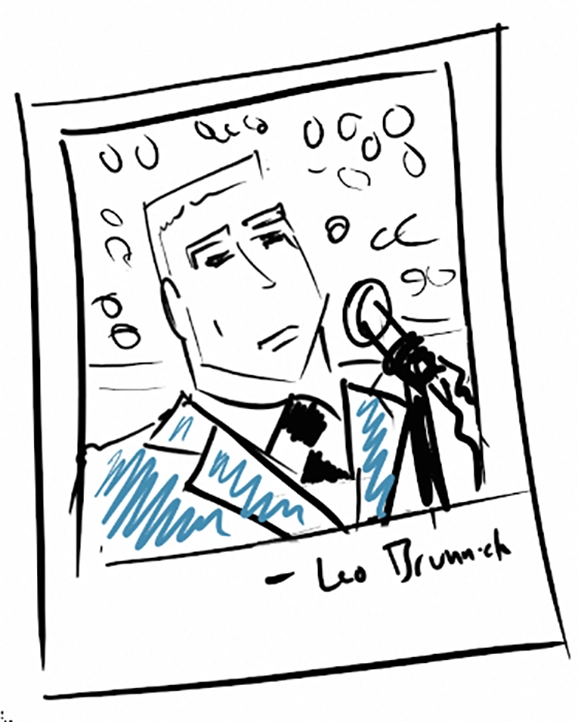
- Leo Brunnick
Lead Producer
As blown away as I was with what they had already created, there was a lot of work to do (and still is) to get this product into something monetizable. I’m going to try as best I can to describe the massive process currently underway at Studio B.O.P. to get this show launched.

That sounds so obvious to anyone (like myself or other writers I know) who just sits down and writes an entire story or script with pen and paper or a laptop. And at that time, the libretto (script for a play or musical) was already 300 pages filled with excessive notes and descriptions.
I’d never seen anything like it. It was as if they thought in terms of “does this chord progression or melody sound like the conversation or feeling the character is having in this scene?” In the vast, vast, vast majority of musicals out there, it’s the music (ironically) that is done last!
(see the legendary producer - and one of our executive producers - Ken Davenport lament about this problem here).
No dialogue whatsoever! None. At first I thought this was an incredible waste of time. I was okay with the idea of a true opera (operas have no dialogue whereas musicals have both), but to write every scene as a song first and your only way of explaining what’s going on in the story is to eavesdrop on a “natural” conversation about it?

…speaking as if they were in a real conversation only. The only problem with that is… they’re NOT speaking. They’re singing! But Bryan and Jack were insistent that no character should ever pause and face the audience (or camera) and sing you something about themselves. Cringe!!! That sounds so obvious now that I’ve explained it. But only a tiny handful of shows have ever been able to do it properly the entire show.I’d never seen anything like it. It was as if they thought in terms of “does this chord progression or melody sound like the conversation or feeling the character is having in this scene?” In the vast, vast, vast majority of musicals out there, it’s the music (ironically) that is done last!



Pleasant Grove is a real place where Jack and Bryan themselves had come of age and their intimate knowledge of the characters’ habitats had layered the entire narrative with a nuance that made viewers fall in love with the whole town. In a very real sense, Pleasant Grove itself is one of the best characters in the show.
Literally VOLUMES of songs and recordings coupled with numerous storylines (many that had to be dropped or shortened), combined with thousands of drawings and designs to visually fill in the blanks had finally reached at least ‘some kind of’ finish line!
Let’s take it to the world!
Right?
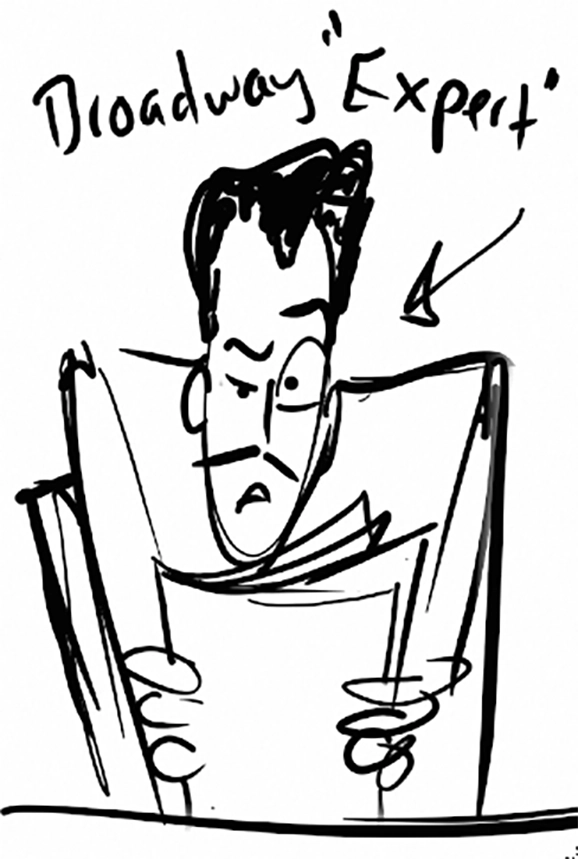
In those early days it seemed like everyone we approached was completely baffled by what Bryan and Jack had created. The number of so-called “experts” from Broadway to film and everywhere in between who told us “no” are too many to count. “It’s too long,” “It’s too sad,” “it’s too raw” “there’s no dialogue,” “you’ve never done this before,” etc. etc.
So we came up with a simple plan: Let’s just test the show against a sample audience of ‘normal’ people and see what they think.
Duh right?
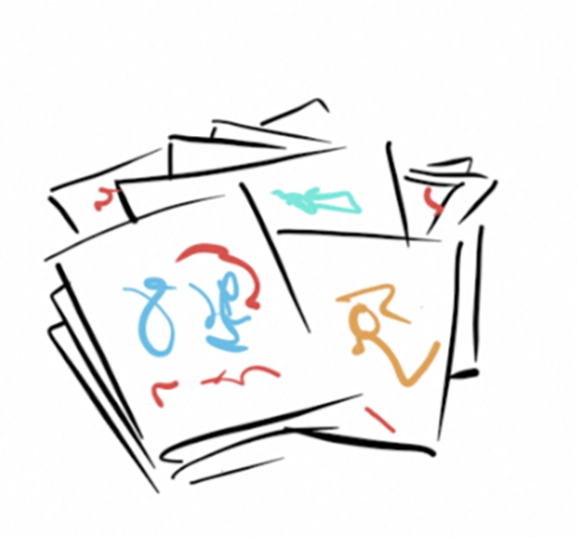
Almost intuitively, Bryan and Jack took this massive pile of images they’d already sketched about each song and the characters they had been creating and added them into the script.
In some songs they made full blown animatics (think moving storyboards) to help people grasp some of the nuances a little more, and then uploaded the full demos of all the finished songs to a SoundCloud link in a private playlist.
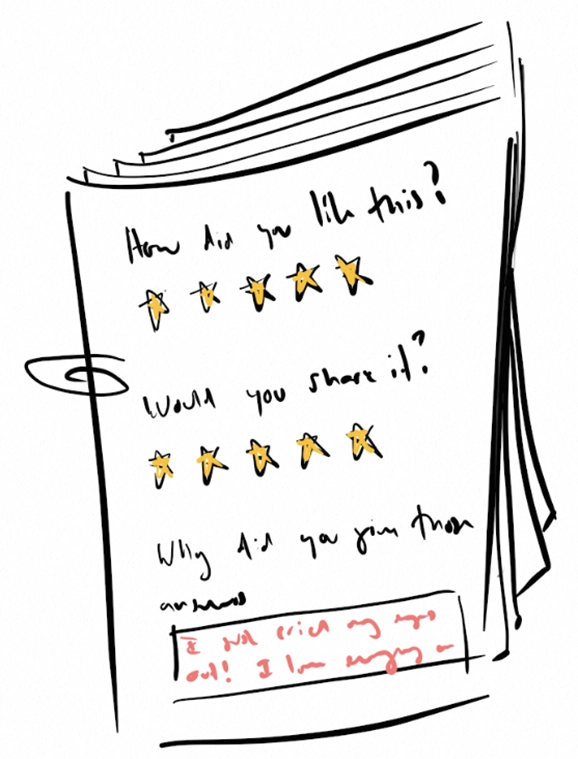
Then Jack, ever the PhD, crafted a sophisticated (almost exhaustive) series of questions intended to find out everything we could about the subjects of our study, and… what they really thought of the show.
It was time to start testing.
In our first audience test we set out to see what 100 people thought. We didn’t quite get to a hundred and probably half of the ones we did get were family and friends or just anyone we could find to sit through it! (We’ve since ran it through numerous additional audience tests far beyond just family and friends.)
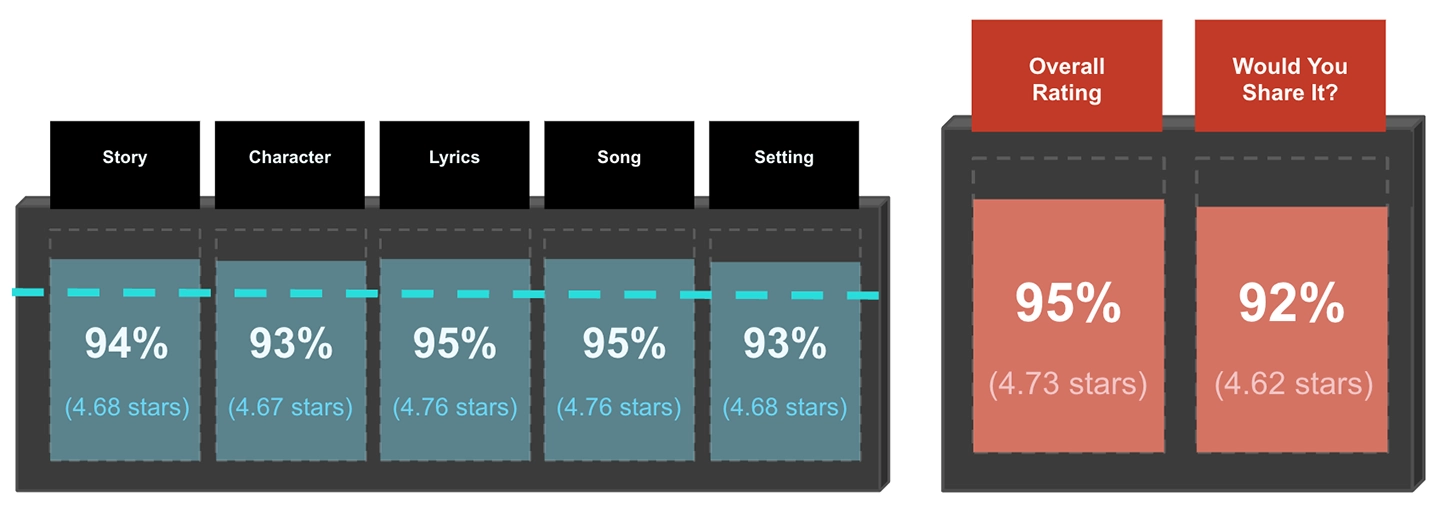
While there was tons of helpful feedback and suggestions on how we could improve the show (all of which was so critical to us at that stage), one thing was overwhelmingly clear:
This show (even as a ‘first draft’) was phenomenal.
From a purely business perspective, I knew the “experts” were not really the opinions we needed. But seeing it come in, survey after survey, people pouring their hearts out, raving over and over, sending us much more information than we ever asked for or anticipated, etc., it was crystal clear: My first reaction to the show was the same as everybody else’s first reaction to the show.
(minus a few expected outliers that you’ll always get no matter what you do!).
And at scale… this could change the world.
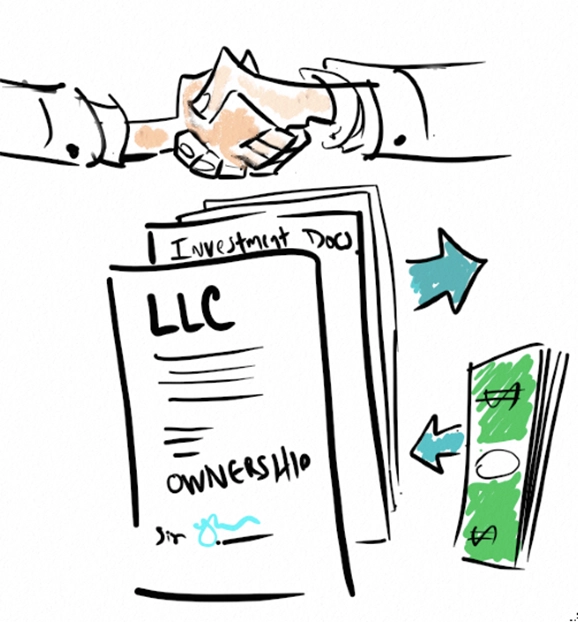
I’ll forever be grateful and humbled (as well as proud) that I was the first investor in the show. I had the ‘heart-to-heart’ with not just Bryan and Jack, but Winston and Jaime as well (the other members of the band and co-creators to a lesser but very crucial degree), and convinced them all to leave their day jobs and make a once in a lifetime run at this.
As a team.
With me.
The first sort of “big” thing we did was go out and land a bonafide, experienced “Broadway” director to sign on to the show (I’ll forgo mentioning his name for reasons that will become obvious in a moment).
To us it felt great. He was great. He really was. And there’s a lot of stuff we learned and benefited from just by working with him that first year.
In addition to that, we were fortunate to land a handful of “sophisticated” (meaning: experienced inside the industry) Broadway investors as well.
We were rockin! (pun intended)
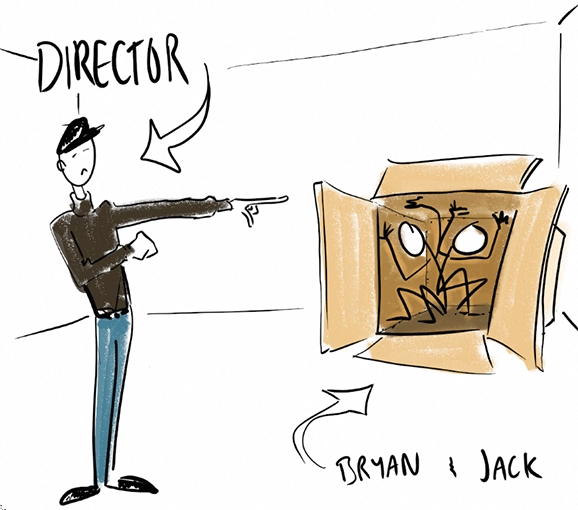
I’m just the business guy right? Well so are the investors. So when differing views and philosophies started to rise between the creators (Bryan and Jack) and the Director (the “expert”), I knew we had a very serious situation on our hands.
No one wants to lose the money they’ve already invested. And no one will further invest in a show where the creators and director are completely at odds about how, or even “what” the show should be.
And that’s the impasse we were facing.
Here we are with Bryan and Jack on one side who have absolutely no experience whatsoever in the theater world (I mean, they just “happened” to write a rock opera with their bandmates for heaven’s sake!!!) saying the show needs to have a very specific set of equally particular things, done in a very specific way, or it won’t work.
And on the other side of the “discussion,” you have a well known Broadway director insisting he needs absolute control and the power to cut Bryan and Jack’s baby to pieces and rearrange it in whatever way he wants…
…or he’ll walk.

Peter Grant's prescience would revolutionize how artists got paid and controlled their own desity - it was also a goldmine for everyone invovled; including the record label's execs.
In the heat of this very precarious moment, Jack and Bryan came to me with a story about how Peter Grant, Led Zeppelin’s legendary manager, had made a vow to protect the members of his band from the short sighted record label executives who would undoubtedly force them to make catchy singles and cover songs instead of their own music (essentially dictating everything that made it on the album, cover, & radio).
Ouch. The metaphor was apt.
Bryan and Jack were asking me to step in and help.
After all, I was the one who convinced them to trust me when they left their day jobs. But we also had to consider the interests of the investors; and there was no way we could plausibly claim the “safe bet” was to lose the seasoned Broadway director just because these two newbies had some strong “feelings” about their art.
I remember the day well. A fever pitch. Numerous zoom meetings. Somber deliberations. And a ton of money on the line (or at least at risk if a resolution wasn’t reached).
The director had made an unbreakable case: He was the expert and Bryan and Jack were not. His confidence was steeped in the hierarchy of decades old Broadway etiquette and tradition. The biggest draw for a director of his caliber was the power to make the show his own. And he knew that “losing him” was a massive risk that most of those listening were not willing to take.
As Bryan made his case that day, I was probably the only one present that knew that he had mortgaged his home and spent every last dime he had to cover the gap that had been caused by the recent lag in funding. He took a very different approach. He conceded that he and Jack had no pedigree or experience whatsoever. Instead, he focussed on the story. He carefully explained each of the characters and their story arcs. He unpacked everything from the style of music, to the lyrics, to the specific order of songs, and why that all mattered. It was almost as if every investor present got a one man reenactment of the very show they had fallen in love with in the first place.
When the meetings closed I made the rounds to see what the verdict was. Every single investor and co-producer (even the ones who had a history, or friendship, or good working relationship with the director on other projects) had the same answer:
“We believe 100% in Bryan and Jack on this one.”

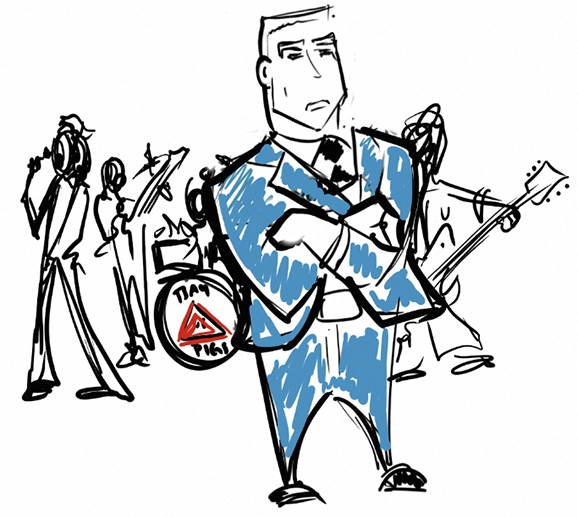
As the Producer, it’s my job to “call the final shots” so to speak. I don’t like to lead with a heavy hand per se. But I am good at leading when the path forward is clear. I decided we would take the same position with our band now that Peter Grant took with Led Zeppelin: Give them what they need to do what they do best, protect them from those who would detract from that, and we’re all going to reap the rewards together.
The others agreed.
And the investments started coming in again!
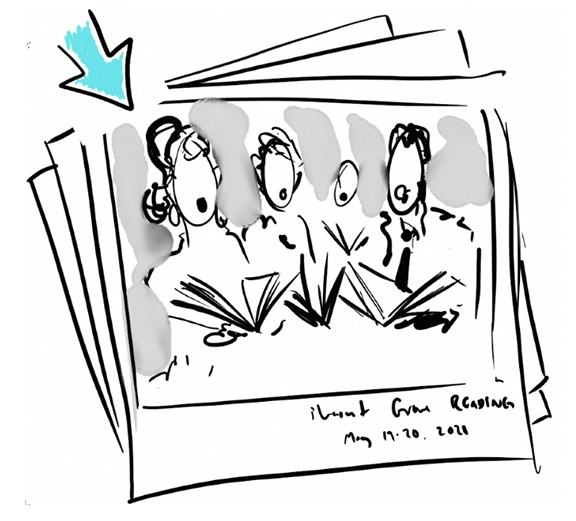
Our first reading was incredible. Exquisite talent was recruited. The large venue was nearly full. And Amelia Rose More directed it in a way that Bryan and Jack loved - (she broke all the rules of a standard “theater” reading!)
The cast came together like a family for this. They rehearsed their guts out in Bryan’s basement studio leading up to it and they crushed it come showtime.
As the responses poured in that weekend (we did two public performances), it was the same reaction we been seeing from day one:
“I cried my eyes out.”
“I wasn’t expecting that ending!”
“I didn’t know how much I needed this”
“Best thing I’ve ever seen in my life.”
I’ve always known this show was going to go and go big. But that weekend was so special it was sobering.

A workshop is very different from a reading. Its very purpose is to confirm what works, fix what doesn’t, and ditch or change the rest. In short, the goal is to figure out “how” to stage a show that will actually be a hit.
And if you can’t do that profitably, it’s time to go home.
For the workshop, Ben Henderson joined Amelia (at her request) as the co-director. This was a small miracle on every level. Ben, Bryan, Amelia, and Jack all had an instant appreciation for what each person brought to the table. This is not to say everything was seamless. It wasn’t! It never is with four artistic powerhouses in the same room. But holy moly… the creative fireworks were everywhere. And it showed!
To further add to the excitement, the success of the reading had seemed to literally travel from coast to coast. So many new people came into town to offer their support, invest more, or just see how they could be a part of what all the buzz was about.
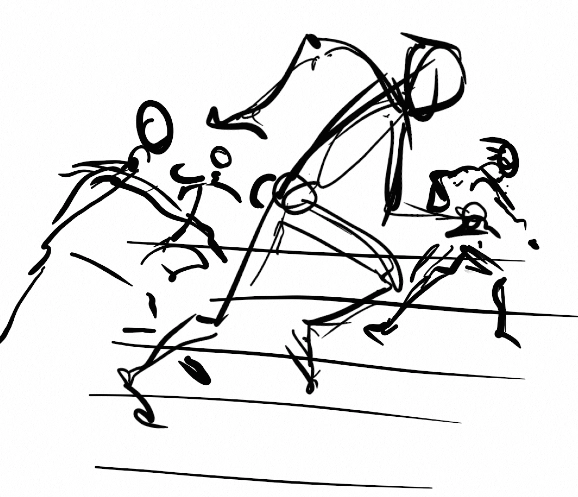
Two major new dilemmas manifested themselves pretty quickly: One was that if we were really going to show all the “necessary” characters in the story, we were going to have to compete with some of the largest casts ever known in the history of theater. That’s extremely expensive. Some of it could be condensed - but not much. The cast was just “big.”
But the second dilemma was something that baffled everyone: Jack and Bryan had written the whole show as if time and space were independent of physical limits. Songs would have multiple characters singing at the same time from within different and ever changing settings. And worse, some settings (many of them) were actually intended to change on the fly (some mid sentence!) and then return to the same setting, or a new one, within seconds.
Hmmm…how’s that going to work?
And that’s not all…
Before I explain what this last dilemma was, I want to make sure you’re not thinking what I know you’re thinking: “Ah, so the Broadway director was right after all!” No. He wasn’t. That guy’s plan for the show was honestly a bunch of really dumb, and, frankly, really cheesy storyline changes that we rejected in the end.
That was not the “third” dilemma at all.
But, the third dilemma was probably just as bad, or maybe even worse. The biggest epiphany hit when someone pointed out that an enormous portion of the script had been written, not in words, but in “pictures.”

But they were crucial to how we get to see so many of the main characters. Seamus Sonnes, for example, the homeless town drunk, poses a critical question to the audience: Will the “righteous” people ever help him? His painful battle with the bottle (and journey towards possible sobriety) is all told in up close, intimate pictures, little by little, throughout the whole show.
Not with dialogue or songs. Just pictures.
That’s hard to convey on stage.
Very hard.

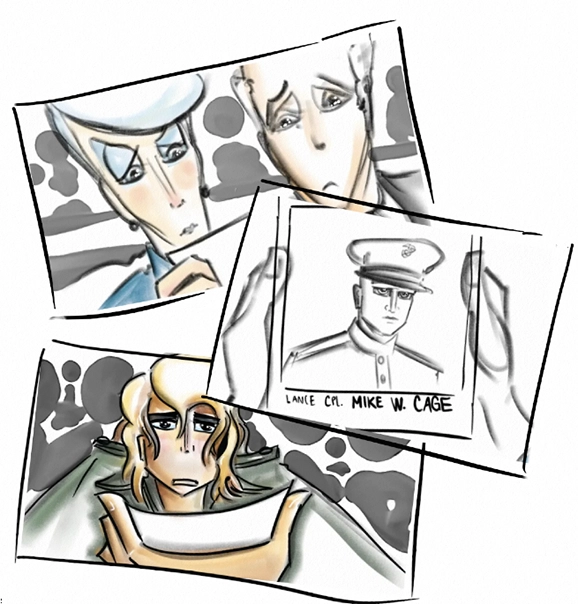
Another example could be Lance CPL. Mike W. Cage. He’s the dead son of Connie Cage, the leader of the Moral Preservation Society. But we only learn that Davey Cage, the leader of The Revolutionaries (and her rivals), is also her son during Alden’s funeral when they’re on opposite ends of the church staring at the same picture of Mike before he was shipped off to Vietnam.
Again, no dialogue or songs. Just pictures.
These kinds of nuances make the show.
And they’re everywhere.
Ben was amazing. So was Amelia. But so were Jack and Bryan. My biggest question was, “How much of the story can we let go and still have a ‘successful’ show?”
The truth is, “a lot.” In fact, we proved you can let go of a tremendous amount of this particular show and still have a phenomenal end result for most - maybe even all - of the audience members. It’s just that good. It really is.
Even with all the insanity that ensues in these kinds of scramble-to-the-finish-line-with-what-you-have and duct-tape-it-all-together-last-second moments, the show was, by all accounts, a major success. We got rave reviews in papers and raised more money from that one weekend than we had ever done from any other show.
Everyone was stoked.
And I’ve never seen Bryan so sad…


Everything about the reading felt like a family. A small group of amazing actors and actresses rehearsing in Bryan’s basement studio, eating in his home, and forming lifelong friendships. It was beautiful.
All that goes out the window when the cast and crew are now 25-30 people (not to mention the added hangers-on that are common in these types of situations) and the madness of an exciting new show is underway.
By the end of the production, the entire dynamic had shifted, and Bryan and Jack (but mostly Bryan) had become the “bosses” as far as many of the actors were concerned. Swift cuts and decisive changes - particularly in the final 24 hours - had literally saved the show.
But it came with a cost. And Bryan took the brunt of it whether he deserved it or not.
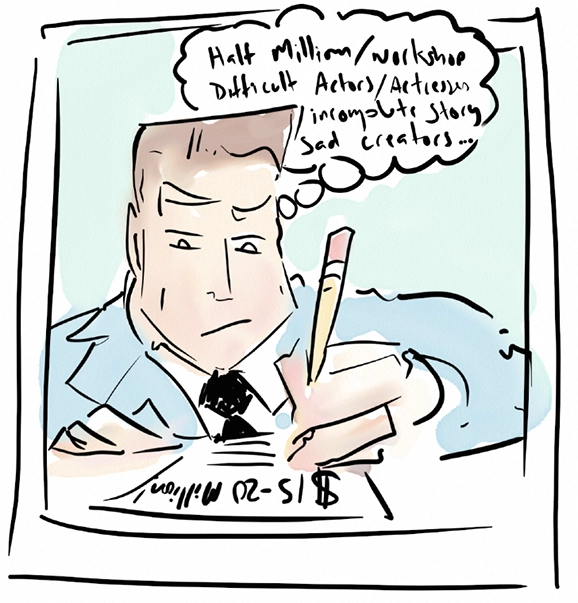
And these workshops are one of the biggest reasons for that. Employing, housing, and feeding 20-30 people full time for 4-6 weeks just for one workshop in NYC means you’re easily looking at a $500,000 bill! (per workshop!)
We did ours in SLC and got it down to $240,000. But still. If you’re not absolutely in love with the way it’s heading you’ve gotta be honest with yourself and ask why.
(Because you may have 5-10 more workshops before you’re even ready to start staging it in some regional (non-Broadway) theater.)
But there was yet another problem. For Bryan and Jack, it didn’t matter that “tons of people” loved the show.
They hated it.
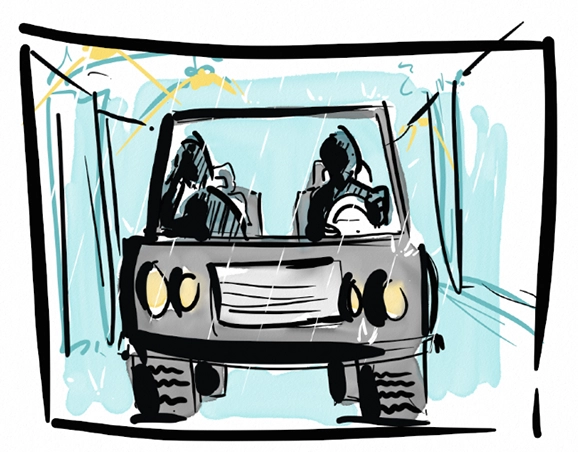
To be fair, there was much about the show they loved - tons. No question about it - it was spectacular in so many ways.
Nevertheless, I would find out later that as they drove away from the theater that night, they swore to each other (before they even exited the parking lot) that they would “never do that again.”
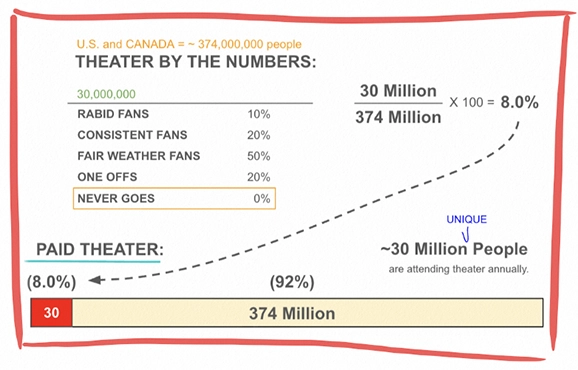
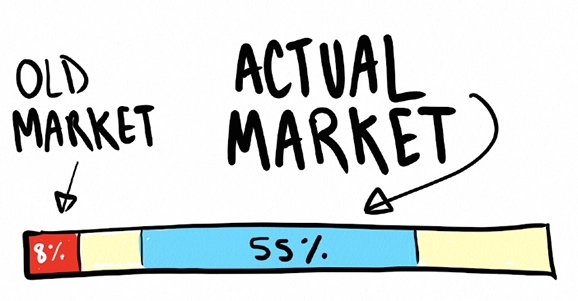
Well, only 8% of the entire population actually goes to any kind of “Musical Theater” at all. And arguably, only half of those people (4% of the world) even moderately “like” it.
(There’s good science on this, but that’s the gist of it. If you want a complete breakdown see the video “How The Industry Works –>Theater by the Numbers.”)
The rest of the world? Typical reasons given as to why they don’t attend are: They view it as cheesy, dorky, fake, over-the-top, ridiculously implausible, and, worst of all…
…totally “cringy.” Yikes. That’s not good.
The negative power of “cringe” is undeniable.
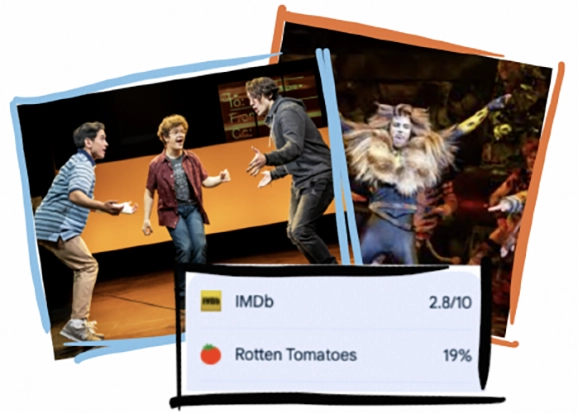
Think of shows like CATS, and Dear Evan Hansen. Thespians everywhere love these shows. They’re the 8%.
Make those same shows into a movie for the other 92%, and, almost without fail, those shows completely bomb.
And Jack and Bryan are in that other 92%. Firmly.

And there’s an enormous difference between
Pink Floyd’s “The Wall,” and “Guys and Dolls.”
You gotta remember Jack and Bryan are rock and roll guys - like “real” rock guys. We’re talking rabid Led Zeppelin fans,
not “A Chorus Line.”
With all the other discouraging setbacks that had come into play, the musical theater overtones went from something they were barely ‘tolerably navigating,’ to the absolute last and final straw.
When Jack called to tell me he was worried about Bryan, I learned of their parking lot conversation and just how bad it was to them.
We knew that he and his family had planned to take a week off after the show and get out of town for a much needed break. But now we’re entering week four. Yes, there were “some” signs of life. A paid bill. A text from Mel (his wife) etc. But for all intents and purposes, as far as Jack and I could tell… Bryan had gone…silent.
And it was clear he wanted to be alone. Very alone.
Jack confided his concerns. It was the first time he had ever seen Bryan like this. Jack would be the one to go off the grid to clear his mind somewhere. Never Bryan.
But finally… I got a call.
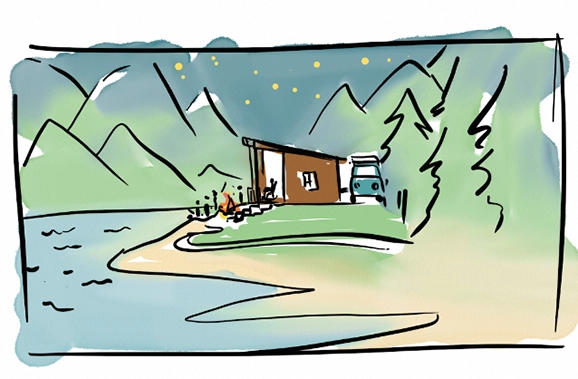
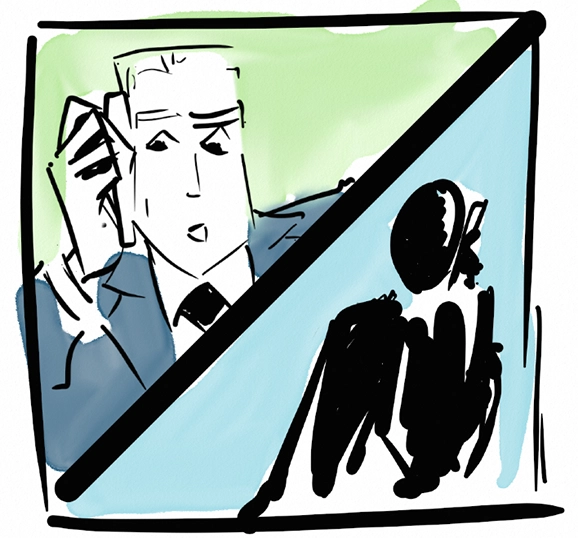
All the problems? Extremely expensive (moody) actors, a massively oversized cast, stage props that don’t conform to time and space, characters that have to tell their entire story in up close facial expressions no one on the back row will ever see, and another 15 Million dollars I still gotta raise? Like all those problems?“
...yeah…all of them.”
It was great to hear Bryan’s voice again.
Okay. Now I’m just interested. Bryan wasn’t calling to “check in” or even to let everyone know he was “okay.” He was calling with new life blood in him - like he had been reborn.
But it wasn’t just about another “creative” idea. For that he would have called Jack first.
No. He was calling me…
…because this time he had a business solution.
I was all ears.
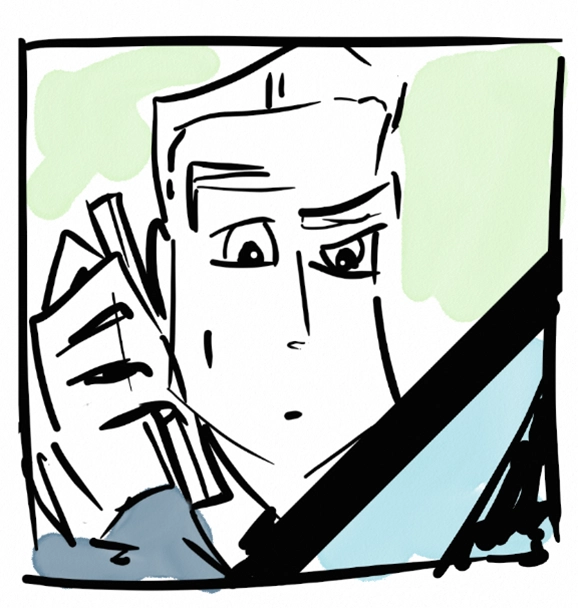
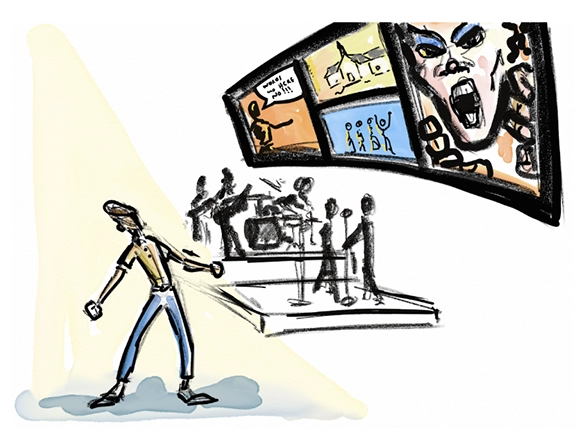
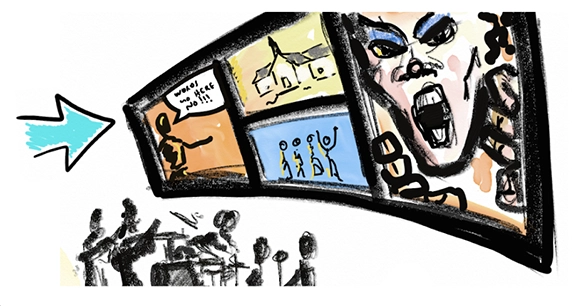
←This exact picture (I saved it). I was confused at first. What was it?
I’d never seen anything like it.
It didn’t really make any sense.
But then…it clicked.
I had one response
“Let’s get Jack and John on.”
John is a trusted producer and close friend. He is to be credited with sensing the seriousness of the moment perhaps more than anyone. He detained Bryan outside his Air BnB on the night of the show until roughly 4:00 am, challenging (forcing) him to figure out what went wrong…and find a solution.
Sometime in the wee hours Bryan drew something with his finger on the side of his Honda Pilot…
And then went AWOL for 3 ½ weeks…
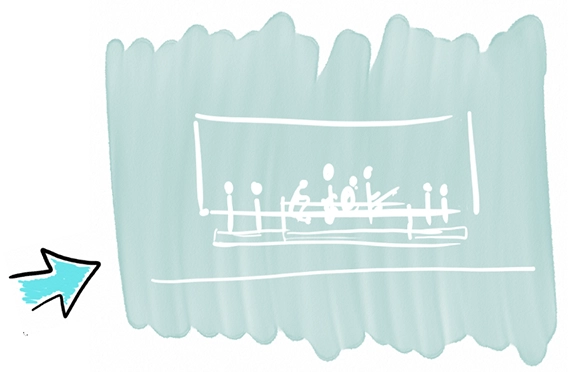
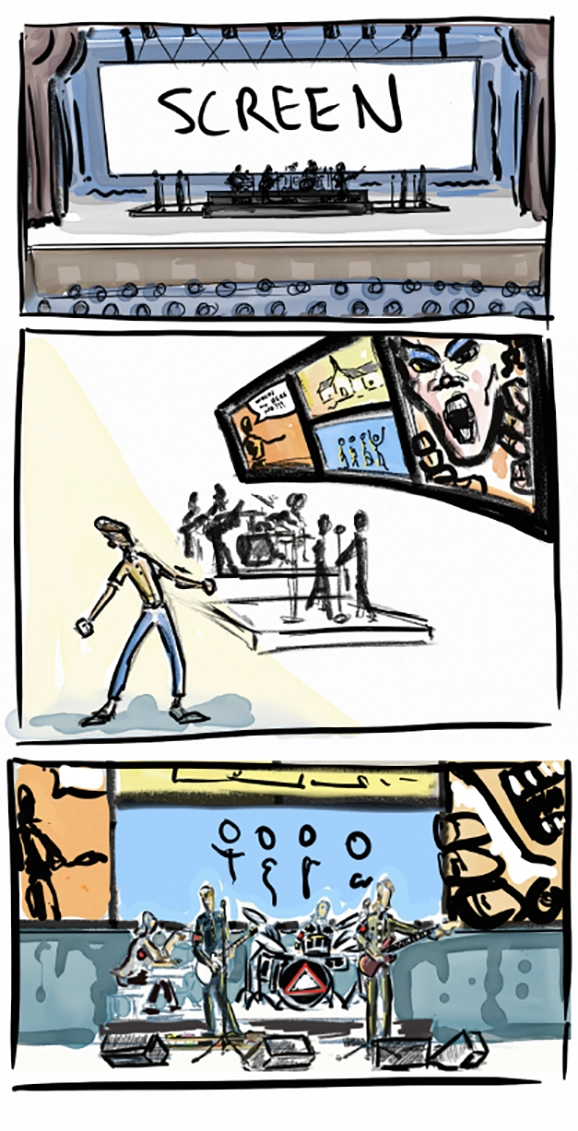
But Bryan already knew it would cut costs. He’d leave the details of how much to me. He started in as if he was finishing his conversation with John…
…but it was clear he was talking to Jack.
“What if there was a way to remove the huge headache of the massive cast and still actually tell the whole story the way we’ve always imagined it?”
Go on.
“What if we just had the 3 main actors…and we animated everyone else up on a massive screen?”
The three pictures started to come into focus.
Jack: “No more costumes? No props, or hair, or makeup, or housing? Like, get rid of all that crap?!"
Bryan: “Nothing but what we need for the leads.”
Jack: “Maybe we have some backup singers that serve as extra stage characters if needed. But that’s it?!?!”
Bryan: “Everything else is on a massive jumbotron.”
Jack and Bryan were locked in like an old married couple. Everything flowed. “The characters could interact with the screen cartoons and visa-versa, blah blah, blah…”
You get the idea. The magic was back.
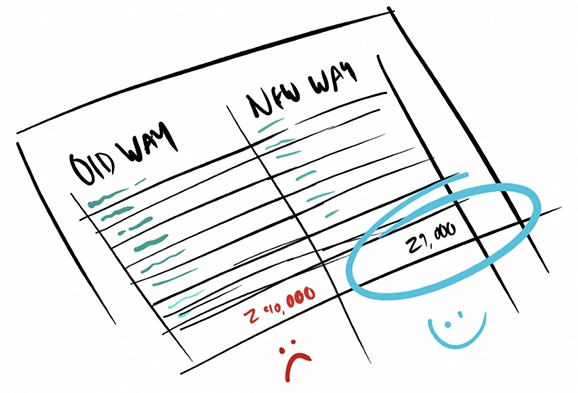
I couldn’t believe my eyes. That couldn’t be true after all we’d just been through.
But a straight apples to apples comparison of just the human capital needs, as well as all the other associated costs of having a large cast, indeed proved out to be that exact number.
A $211,000 difference? Wow.
Okay…back to the logistics.
And not just any jumbotron either. One that could handle (compete with) the brightness level of a rock concert styled light show. It also needs to be portable and easy to break down and set back up.
It would, in the end, need to be customized to our exact needs. All sorts of rigging, equally customized stages, catwalks, stairs, software, cables, and safety mechanisms, etc., etc. And it would be expensive.
But, it would also only be a one-time cost.
All the money we’d just spent on the workshop, both felt, and was…completely sunk.
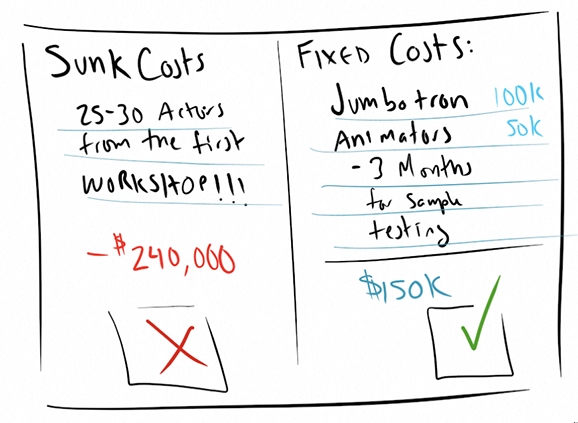
Okay. That sounds significant. And what kind of animation are we even talking about? Jack and Bryan looked at me as if I had been living in a bunker.
“Our kind of animation.”
Gritty, raw, comfortably outside the lines, etc.
And then it hit me.
I’m suddenly looking around and realizing just how much “at home” Jack and Bryan “feel” in this animated world. It’s literally all they do.
Bryan’s basement studio isn’t just a recording studio. It’s an art studio as well. Same with Jack’s place! They both come from a world of film, animation, and design.
They are visual storytellers.
o them there’s no dilemma (or difference) in having stage characters interact with giant cartoon ones. It’s ALL the same reality to them…as long as it’s authentic (not cringy).
Their “hatred” for musical theater that night wasn’t about musical theater at all. It was about inauthenticity and cheesiness. And they were finding ways to solve it now.
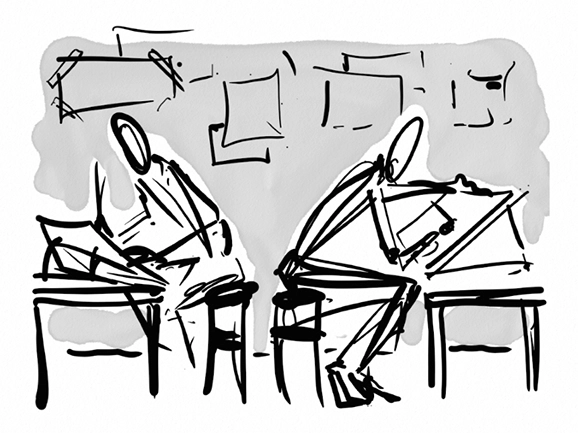
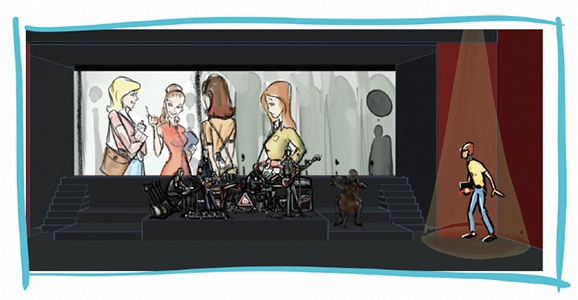
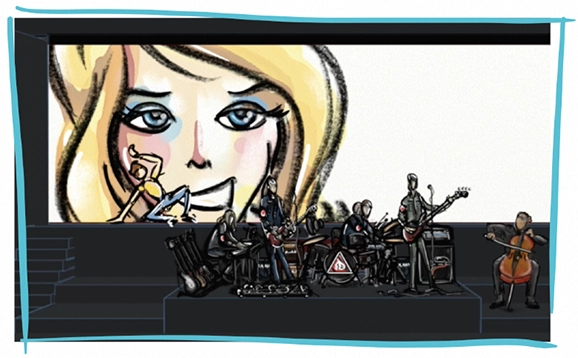
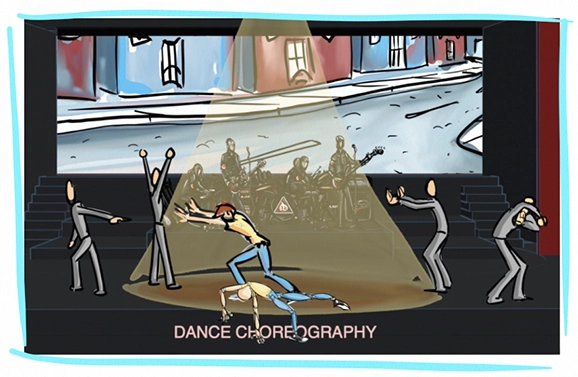
Over the next six months, Bryan and Jack created all kinds of 3-D models, character designs, and moving storyboards - not just for what should happen on the screen - but what should be happening on the stage as well!
It was the ultimate master key to ensuring the full vision they had created would be honored every time the show would ever be produced (with or without them) for years to come.
Imagine Ray Crock standardizing every little detail about how McDonalds should be run back in the day. It was exactly like that.
Only this was for theater.
(ahem… a rock opera!)
I can’t overstate the genius at work in these two guys on this one. See the small sample of the links here to see what they presented me (and the actors and dancers) for direction in these storyboards. They “canonized” everything this way.
I needed to know as the producer that the audience members would actually accept this radical new form of theater.
I needed to know that their eyes would follow the story accordingly, that they wouldn’t be confused, and mostly, I needed to know they would like it at least as much as they loved the reading and workshop….
Even if Jack and Bryan didn’t agree.
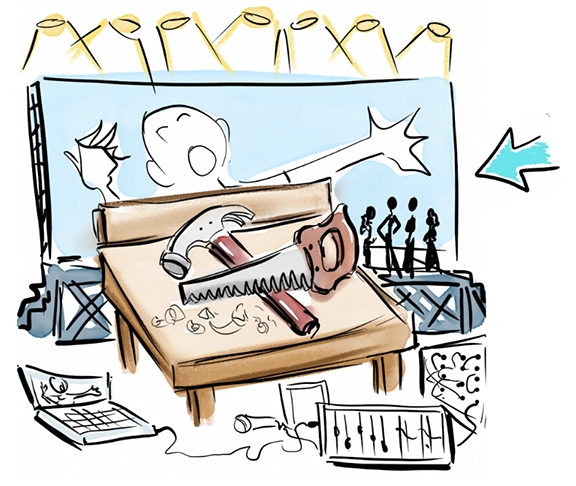
After I’d seen all the mockups and storyboards for how the whole thing would work, I finally pulled the trigger and bought the massive, custom designed, movie-sized, jumbo tron.
No looking back now!
We found an amazing theater and rented it for a song (dirt cheap) where we could truly put this all together at least enough to test it.
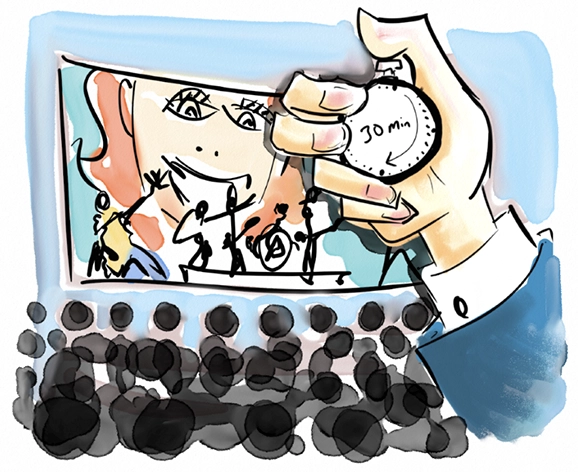
I felt I needed to see at least 30 minutes of continuous storyline fully finished.
Some songs are incredibly elaborate with the screen becoming whatever’s happening inside the character’s head. And other songs the screen is more of a cool backdrop.
But for a lot of songs the screen might be filled with dozens of animated townspeople - all of which are interacting with the live actors.
So, yeah… I needed to see 30 minutes of it.
But, if, after the workshop, it was clear that the audience easily followed and enjoyed at least that 30 minutes of the story…we had nailed it.
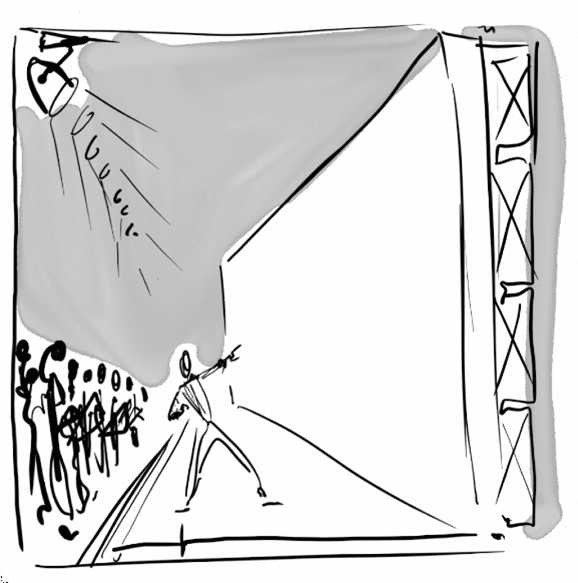
We ended up casting three leads and four backup singers who could also play extras. None of them had seen what we were doing during auditions. So on day one, we brought everyone in and unveiled the big screen, the staging storyboards (their moving visual directions), and of course the finished art to match it…all in real time for them.
Everyone gasped, smiled, laughed, and cheered. It was clear we were not in Kansas anymore…
…and that was going to be a good thing.
Pulling all the lights, and sound, plus in ear monitors together, and coordinating it all to sync up with the on screen animations and live rock band, was indeed a “feat” for sure.
But because so much of it had been programmed to work seamlessly together (soundFX, light show, click tracks, jumbotron, etc.), all that really mattered was whether all the humans would remember their cues!
NOTE: It goes without saying that actors in this format have to be utterly world class. If a cast member misses even one cue, or can’t “match” their giant size counterparts, the show exposes it without mercy…no pressure!
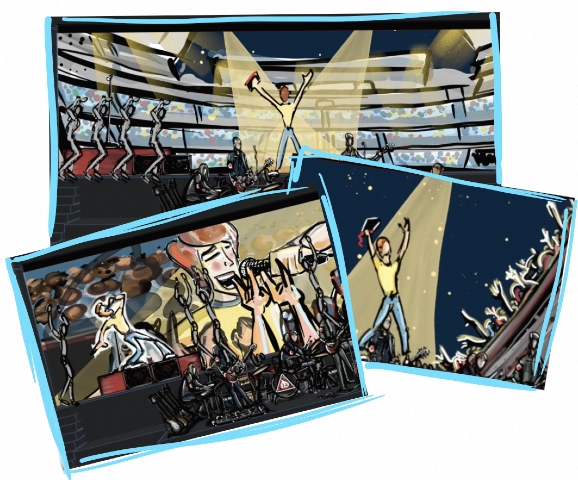
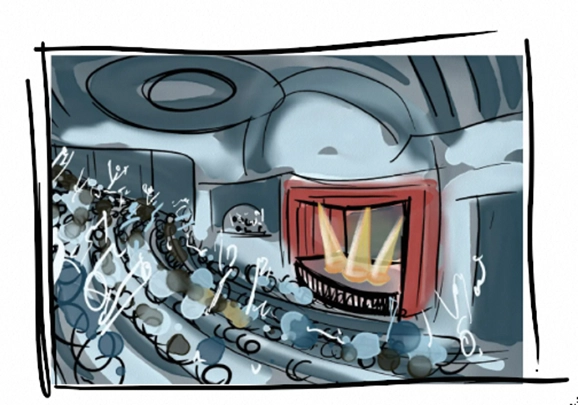
Aside from a hyper nasty, weird, vindictive, long email (rant) we received from an anonymous “theater veteran” who tore us from limb to limb with what he/she described as “the worst show [they’d] ever seen…”
Everyone else LOVED it.
(I’m certain there were other people who didn’t ‘love’ it like I’m describing, or just left without giving us their honest feedback. But you get the idea.)
Yes, it was still clunky in so many ways. So many moving parts. So many technical pistons firing a hundred miles an hour and everyone just trying to keep up. Everything felt so shocking and jawdropping at first…
You could sense the whole audience was like “What the heck is this thing we’re watching?”
At least for the first minute or so…

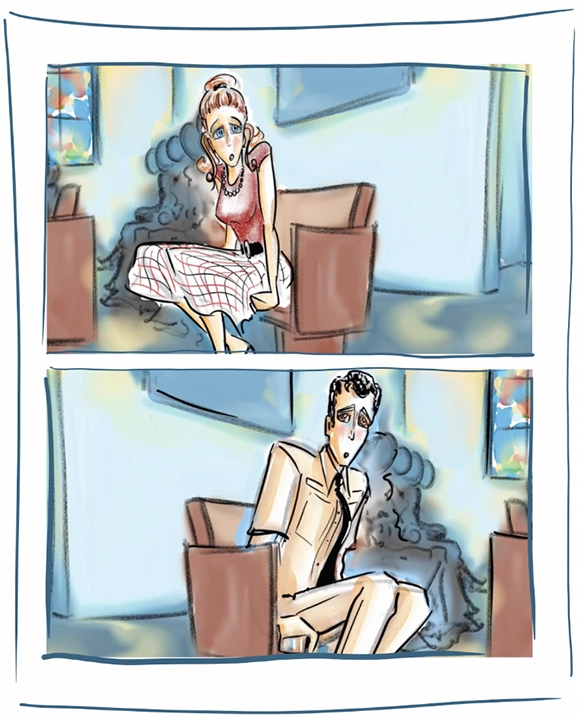
If you’ve ever seen the first song of the show, you know what I’m about to say.
There’s a tension building right from the outset where Doyle and Marcella meet and fall in love… but they can’t just “kiss” for heaven’s sake - they just met! (and 5 other storylines are also being established at the same time!).
But that tension reaches a boiling point in the height of the Bishop’s sermon, and, breaking all the societal rules, they ditch out and bolt for the trees. And…just as the thunderous drums and guitar solos reach a euphoric climax…
Doyle and Marcella lock lips in what can only be described as “the world’s greatest kiss.”
You have to remember, this was all in the first song. Two people falling in love without ANY words. Just bumping into each other and maintaining nearly continuous eye contact for the duration of the entire song.
And…half of that is told on the screen by the animated versions of themselves. All the eye glances. The flush cheeks. The racing pulses.
None of that could be told this way in the previous workshop or even the magical reading. Not even close.
The audience screamed.
And I knew.
(On the second night, the audience doubled and the theater was full…and I really knew.)
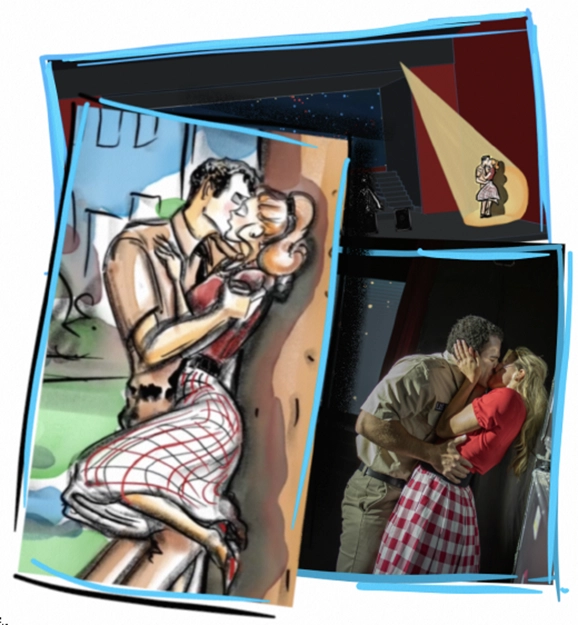
Everything came together perfectly just as planned
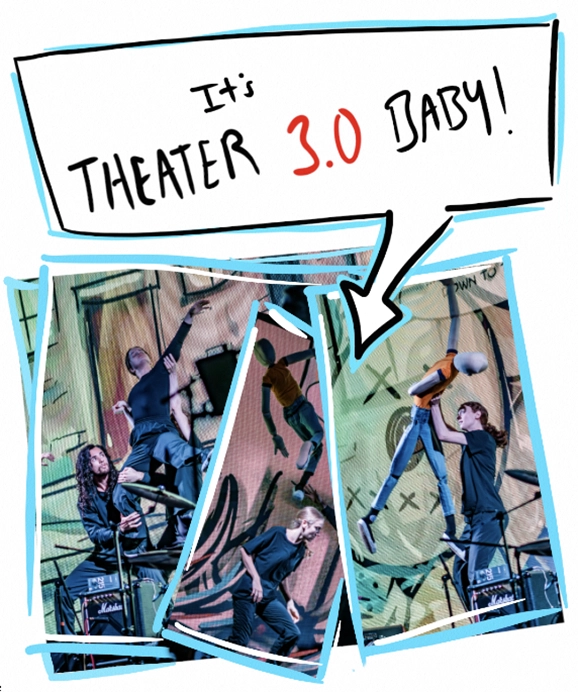
One of our investors (a major producer in some of Broadway’s biggest shows) had flown out for the big reveal and, gobsmacked, he insisted we start branding the whole thing as “Theater 3.0.”
He was (still is) emphatic. And his reason is valid:
“Theater 2.0” is what people call anything that uses some form of digital projections with actors on stage.
Yawner…
Just having “projections” suddenly sounded so boring. Of course this is like 10 times better than that!
Nevertheless, ultimately we concluded we’d let someone else label this. Not us. Instead, we just went full speed on the next workshop and all the new possibilities that had just presented themselves.
But something kept coming up…
As in, back to the very first time I ever showed this to anyone - before our first surveys even came out. I mean, afterall, Jack and Bryan had made all these little animatics (moving cartoon storyboards) of songs or sections to help better show how the story should be told…
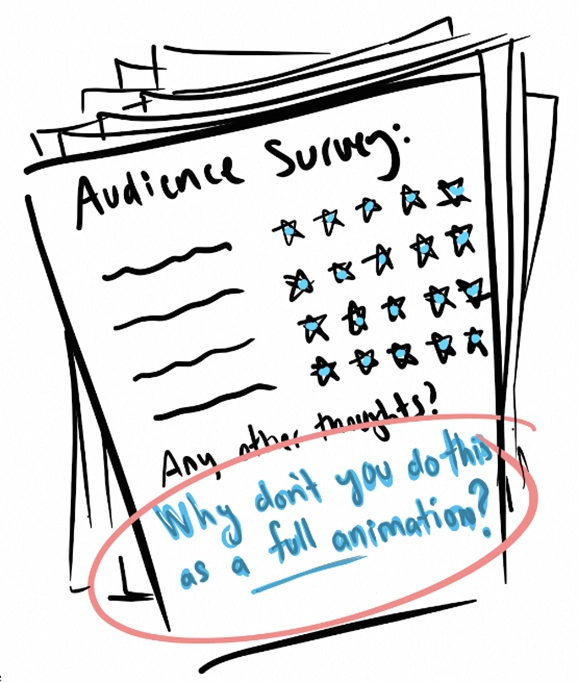
…and… surprise, surprise, people were like “Cool. Why don’t you do this as an animation?”
“Oh we will someday for sure. That’s the plan. We just need to do it as a Broadway first, a full rock opera second, and then, once it’s totally ‘proven out,’ we should have the ability to do a feature length animation…and that’s the plan.”

Hmnnn…
That was the plan. I guess it still is the plan.
We certainly never originally imagined that we would be doing a hybrid version of animation and actors.
But as soon as people saw even these simple “testing” animations in action, it was impossible for them to not ask the question.
Jack had been harping on this from day one: It’s great if we prove the whole “Cinematic Theater 3.0 Experiment” works. But so far we’ve just been testing the concepts with mockups, not building the actual “finished art.”
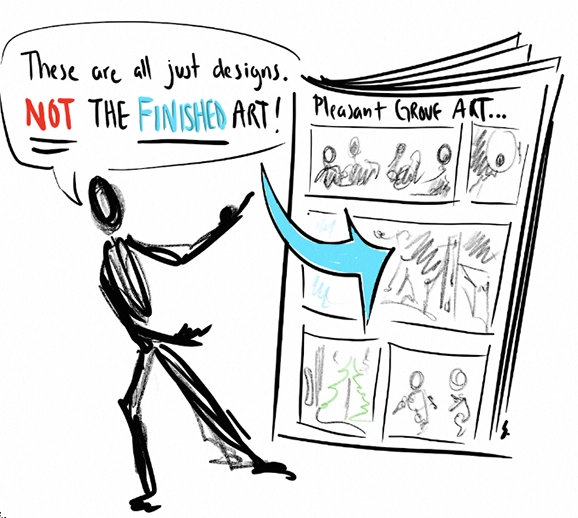
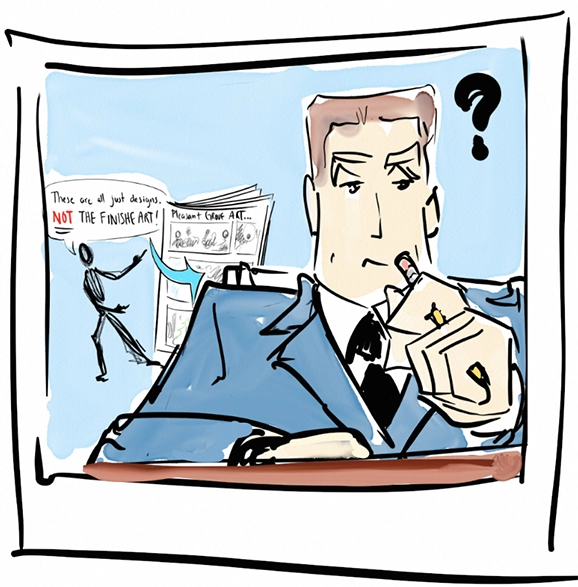
His point was crystal clear: All the art up to that point was like super elaborate sketches or highly stylized animatics (think moving storyboards). But it was inconsistent. Each member of the team invariably sketches the characters in slightly different ways.
“We now have 10 songs done this way and we have to do them all over again (or fully update them) once we have the standardized system in place. So why do any more if it’s not something we’ll ever use again?”
Up to this point it never dawned on me to ask audience members for feedback on a full feature animation version of the show.
At least not in detail.
But again, this kept coming back to us over and over again from these workshops:
“Why aren’t you doing this as an animation?”
And then…multiple doors began opening us up to real, in person conversations, with major film companies and distributors, regarding a possible play at making this into a feature animation. And not with gatekeepers. With CEOs, Presidents, and Founders.
But nothing immediately actionable came of those meetings.
It was just that in every single case, someone who was in a position to make those introductions saw our show and personally went directly to those people and all but forced an introduction.
And so I kept asking myself, “What if we’ve got the order wrong?”
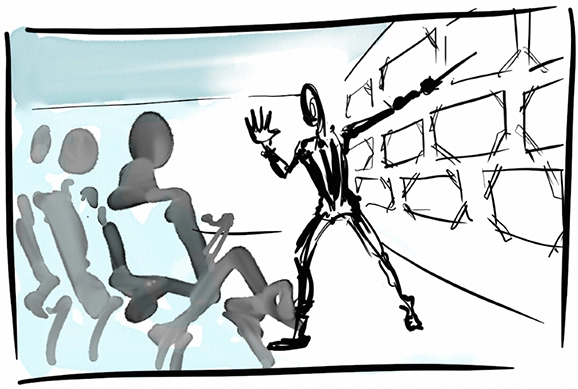

Occasionally we’ll do private shows to raise more money. They’re invitation only, super intimate shows where we cater some food and the band plays the whole show live while the guests read the full story on iPads / tablets.
The experience is breathtaking. People get to “feel” the power of the music on a level they can’t quite get in a large venue - and it works.
But we also use those times to collect more audience surveys. So I added some additional questions about a feature animation version…
…and one seemingly random question for fun.
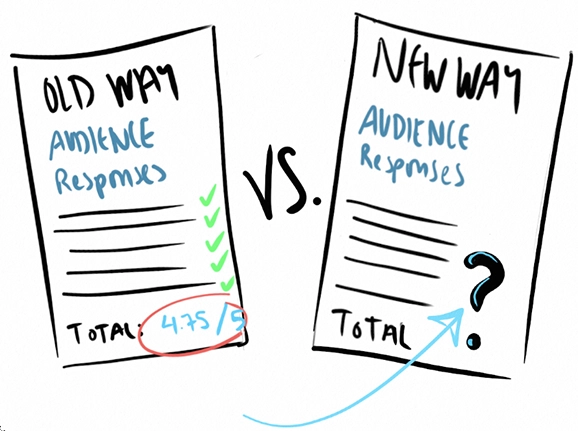
As soon as the survey results came back they challenged most of our assumptions from all the previous responses we’d ever received.
Because it was all there in black and white from day one.
So I grabbed the team and we combed through all the data with a new angle.
Did I mention…
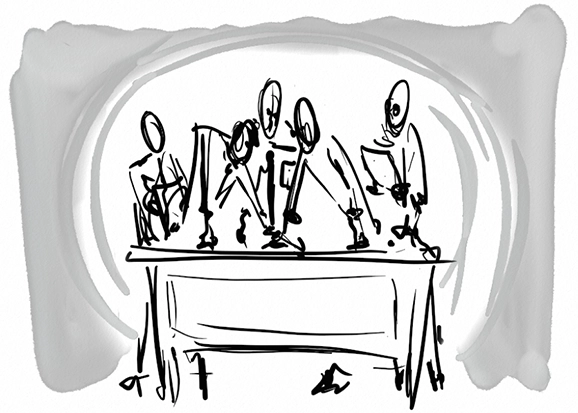
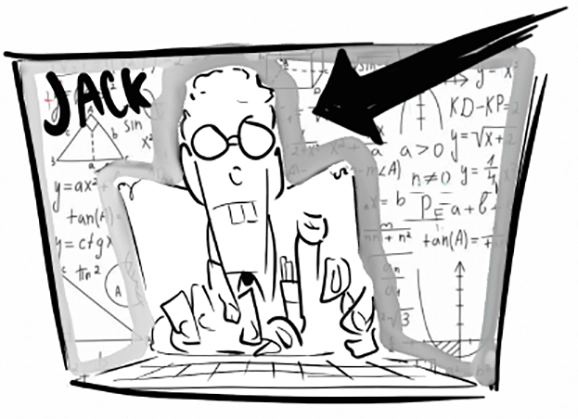
But rather than walk through an exhaustive breakdown of all our surveys here, I’m going to point you to Jack’s detailed breakdown in slideshow format (or Bryan’s video describing it all, in “how the industry works” → audience testing), because it’s an hour long presentation in itself.
Instead, I’m going to jump to the point:
I was so intrigued by the notion that we might be making a mistake by doing the Broadway version first (instead of the feature length animation), that I missed the most obvious of all epiphanies:
In a live concert performance of the show, with animated characters being broadcast on a big screen, (as we’d now begun to do)...
…most people are either totally comfortable with, or even prefer…
[pause for effect…]
…having the band do all the singing.
[pause again…to let that sink in]
Now, if it’s a full blown broadway show, of course people are going to expect female actresses to sing the female parts the same way they would expect every character to sing their own parts.
But that’s not really the question I’m asking.
I’m really only asking, “If done as a rock opera…”
Not only did people tell us point blank when asked finally…they’d been telling us the whole time they were fine with it without us even asking.
Think of it this way: aside from the reading and the first full workshop, ALL our other tests WERE with only the band singing EVERYTHING.
And THOSE tests have shown us that,
regardless of the format…
(band only with people following on tablets & phones, actors on a stage singing everything, headphones with soundtrack and script, live band with the big screen and actors, or band alone with big screen…)
…it doesn’t matter.
As long as the full story and music is experienced…
…this show will get the same extremely high marks in every single category…across every demographic.
Every time.
But now as a producer I’m seeing that a slight majority of people actually prefer to just have the band sing it to them more than actors.
Particularly in the rock concert format with a big screen and massive animated characters.
(…the epiphany hit me like Mohamed Ali…)
That means, technically speaking…
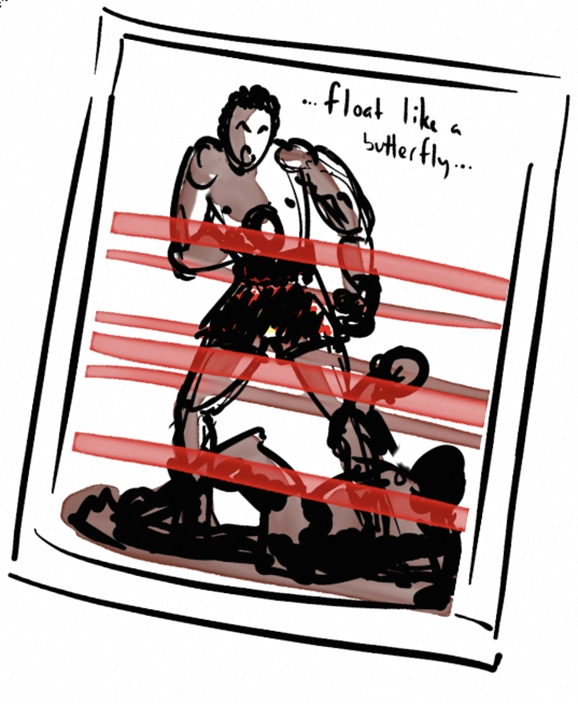
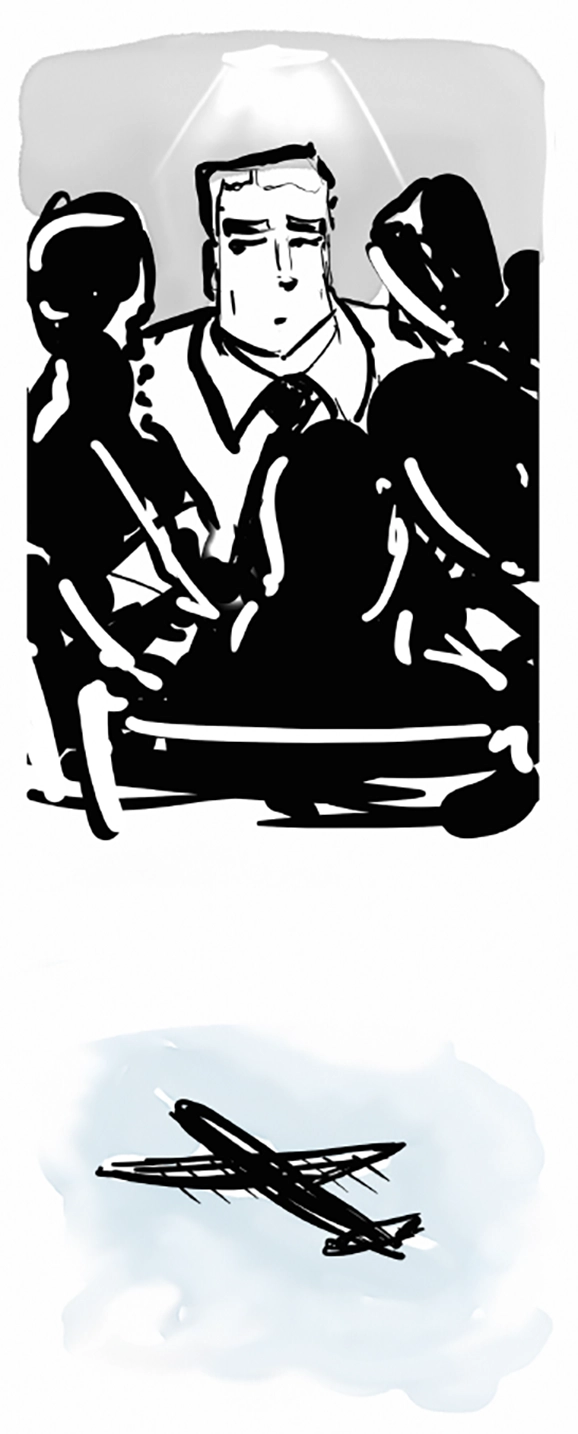
Or at least…No one else was saying anything. Like nothing. The numbers were everywhere. The data was crystal clear. Yes, they were seeing the answers to the most recent surveys and even seeing how we’d seen similar evidence from day one, and how “interesting” it all was, etc., etc., etc.
But no one was seeing what I was seeing.
That this show was just four really nice guys that had grown up together in and around this little town called Pleasant Grove, formed a band, landed fanny backwards into this amazing true story, and were somehow blessed with a level of creative talent that I will go on record as saying “is the greatest combined total (story, music, lyrics and art) that I’ve ever seen personally,”
(and I believe history will prove me right)...
…and they just wrote a rock opera.
Like all their favorite bands did (Pink Floyd, The Who, etc.). Only these four guys, and their little band, Bay of Pigs… …had created something Rogers and Hammerstein would gush to call their own.
That was the most obvious night of my life.
But I said nothing.
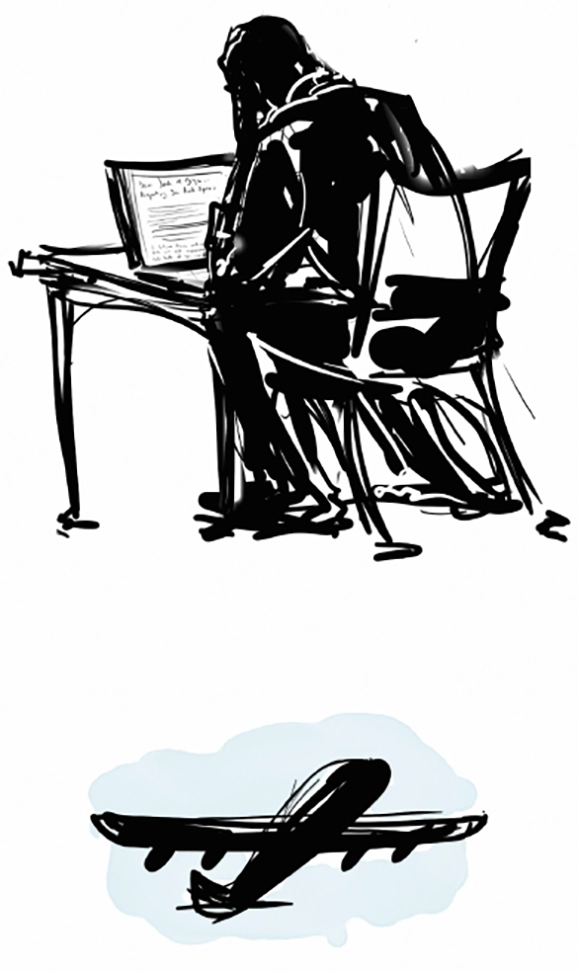
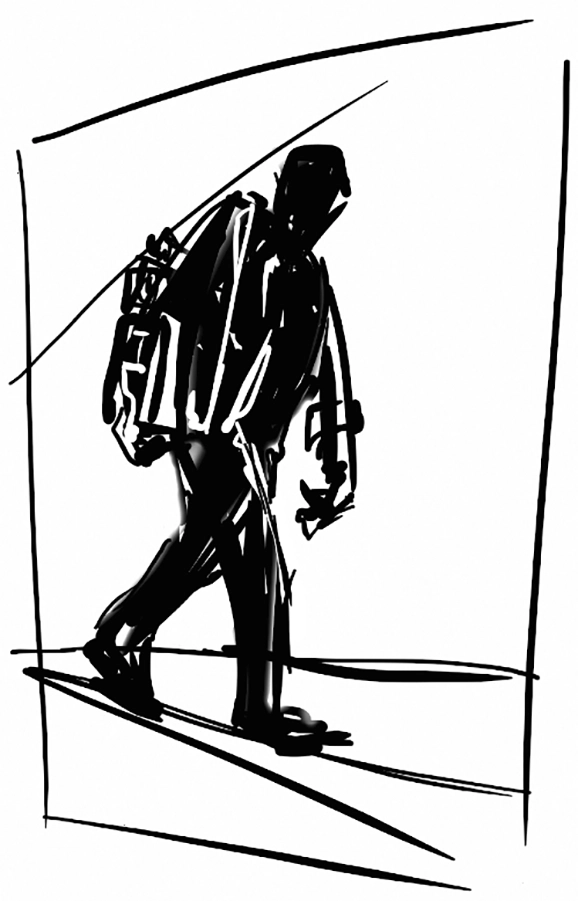
I just caught a plane back home.
Alone.
If you think that’s easy, I have a few leadership and business books I’m happy to suggest. Think of all the actors and dancers that have committed so much to this and are planning their next year around it. We’d all fallen in love with them now. Jack and Bryan had finally come into their stride as bonafide theater directors! And the fan base was taking root. Everything “seemed” as it should be.
Changing all that is hard enough.
But how do you go back to multiple big shot investors and co-producers - many with 6-figure checks in (and many with much smaller but still sacred amounts)……and say…
“We know we asked you to trust us when we needed to fire our Broadway director…”
“We know we asked again when we pivoted into the radical jumbotron animation idea…”
“...and we know you’re not going to want to hear something like this again…but…”
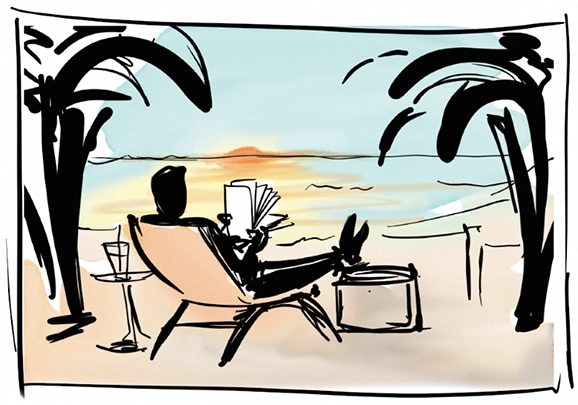
I have a place I like to go with my family
or really close loved ones from time to time.
But once in a while…I just take me.
I did not want to do what I knew I had to do.
Yet every day, in every spreadsheet, reviewing every business model, of every projection, we’d ever made, it was clear: we had to take this approach. And it still didn’t make it any easier.
Because it wasn’t a question of why.
It was a question of “how” this time. Personally.
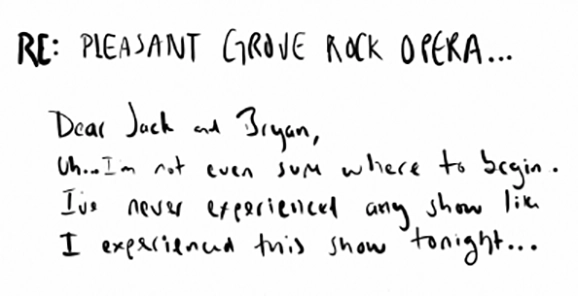
And then I saw it.
I’d started by telling them how deeply moved I was. I repeatedly confessed how I had shed many tears while watching it, how the story and music had touched numerous aspects of my life… parts that needed it at that time.
I was shocked at myself upon re-reading it. I had never sent a “professional” email to anyone like this in my entire life, let alone a prospective client or business partner. No way. Never. Nor have I since.
I “told” them “I would love to be involved,” but it was clear I was begging. It was as if the show had melted me and I felt safe to lay it all out to them cause I just somehow knew they were the guys they would later turn out to be.
But then, as if writing to my future self, I closed with this rather remarkable line:
“I believe there will come a time (maybe many) when all of my business skills and past experiences will come to bear and I will be able to help both of you navigate this very important ship through the calmest of waters and through the toughest of trials… if you will trust me to be your lead producer.”
And the burden lifted.
The sky was clear and I flew back home.
I called the core team together and laid it all out. It was shocking but they were great. I let the actors and dancers and choreographers know we would come back for them round two when this had succeeded. Again, everyone was gracious and amazing.
Some tears of course on both sides. But everyone was amazing. And finally, I reached out to each of the investors. In many cases I flew to their homes and met with them directly because…
…this one just couldn’t be dropped.
1) This is the fastest way to go to market
2) This is the cheapest way to get there
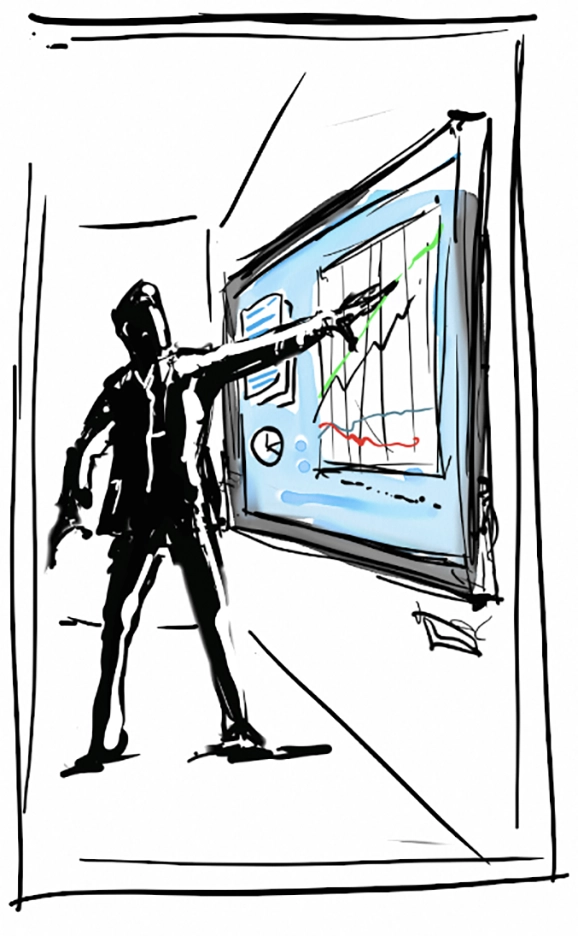
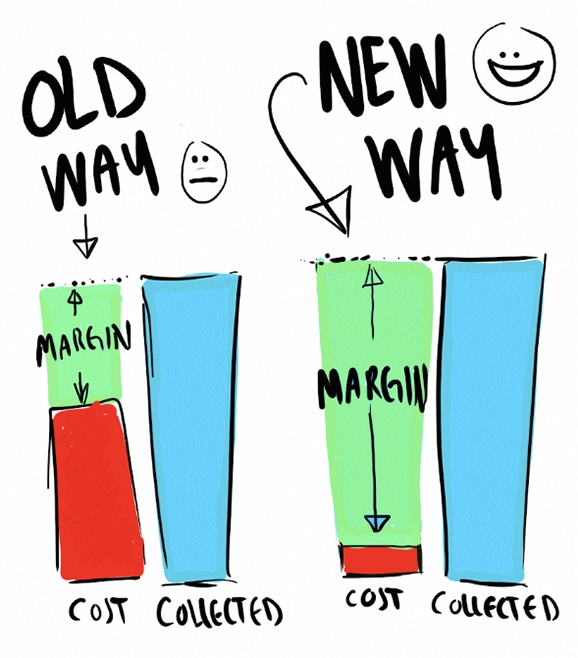
3) The margins and market opportunities are both orders of magnitude greater - by a mile…
The original plan of doing a Broadway first was always 15-20 million dollars and ~7 years to make. That’s just the going rate. Not our numbers. It’s worth it if you have a show like ours that you are convinced can be the next Hamilton or Les Miserables (that turn into multi-billion dollar entities and investors are getting 30-60X returns).
Transitioning to the massive jumbotron and animation likely cut our overhead by 60-65% (human capital alone was by 80%). But it didn’t necessarily speed up a ton of our time to get the product out to market, let alone to Broadway. So down to 6-8 million… but still 7 years.
The Rock Opera first version (animation only) required 2.1 million left to raise and 18 months to launch (~1.4M had already been raised). But it isn’t really “animation only.” That still includes the band, a killer light show, a world class sound system, and a bunch of “audience interactive” automated props (banners, flags, demons, pyrotechnics, magic, fog, sound FX, illusions, etc.).
It’s still an epic show people have said they’ll pay for.
“Hmmm… I hadn’t ever thought about any of that…"
That was usually the first reaction.
Followed by…
The price of any ticket is determined by the demand for the artist. That’s why people often pay the same amount to see a show with a cast of 30 people (which typically means a crew of 100 or more) as they might to see a comedian.
Ours isn’t as cheap as just one comedian.
But the cast and crew for the Rock Opera is a total of 12 people (band included) to do…
…the full show. Setup, takedown, everything.
But we will charge full price regardless.
There’s a 90% difference in our margins compared to your average Broadway show (that includes regional theater,
or “excellent / high end” local theater as well).
Bruh…
That’s musical theater’s problem. Not ours. Our TAM (total addressable market) is 55% of the population (remember “7X bigger!”?).
But neither are we limited to NYC, or only scheduling shows with theater companies who “approve” us, and planning crap 2 years out. While we’ll still use many of those same venues, we actually are much more like the touring comedian than a touring Broadway.
After about a month I got to experience my own little watershed moment like Bryan and Jack had: Despite the initial shock from, basically all of them…all of those same investors said in one way or another:
“We are 100% behind you on this one Leo.”
(I might have cried a little…again)
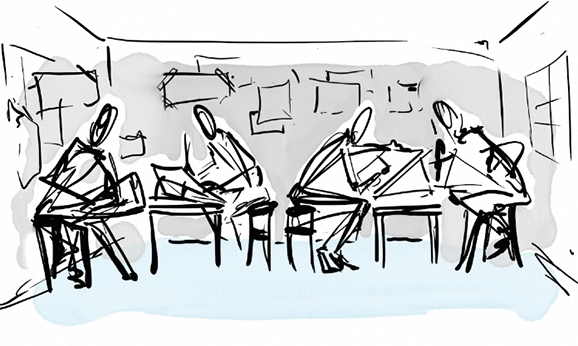
We brought on some additional artists from within the industry as employees and consultants (one a former director for Disney and Warner Bros. and others with all kinds of animation experience with companies like Marvel, Big Sky, Nickelodeon, etc.).
All this was to help us standardize the art (remember Jack’s concern) so we could officially start building out…
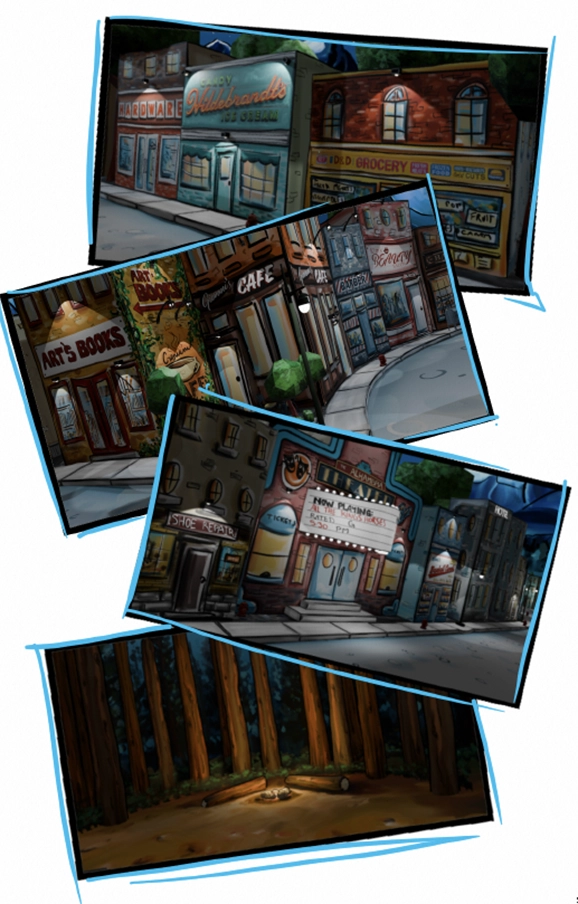
…and using it to build out an entire 3D world (standardized and consistent) that is also completely hand painted.
Just like all the original paintings that scored so high with audience members. This was a massive undertaking that “looks” like it’s basically 100% done (but it’s really 90%).
Many of the characters have been transferred into hand painted 3D as well and we’ve begun to animate them with glorious results.

Again, that is for the art and all the animation to be done. We still have another 6 months to assemble the entire tour and marketing plans before we can officially “launch” the show.
All of this assumes we’ll continue to successfully raise the money needed to complete everything. There’s never a guarantee of course (***asterisk goes here - I HAVE to say that or our high powered entertainment lawyer will kill me), but not only do I believe we’ll get there, I “know” it’s going to be the greatest story ever told in music!